Monochrome Muse

The effortless power of one-color dressing

The All-Beige Outfit: Warm Minimalism Done Right

2026-07-14

Quick Answer: A great all-beige outfit uses three or more different beiges plus at least three textures. One flat beige head-to-toe reads as a uniform; sand, camel, and taupe layered with knit, suede, and smooth leather reads as quiet luxury. Choose beiges that contrast slightly with your own skin tone — matching your skin exactly is what washes people out.

Two people wear head-to-toe beige. One looks like she stepped out of a very expensive photograph. The other looks like she’s been absorbed by a bowl of porridge.

Same color family, opposite results, and the difference comes down to about four decisions.

The All-Beige Outfit: Warm Minimalism Done Right

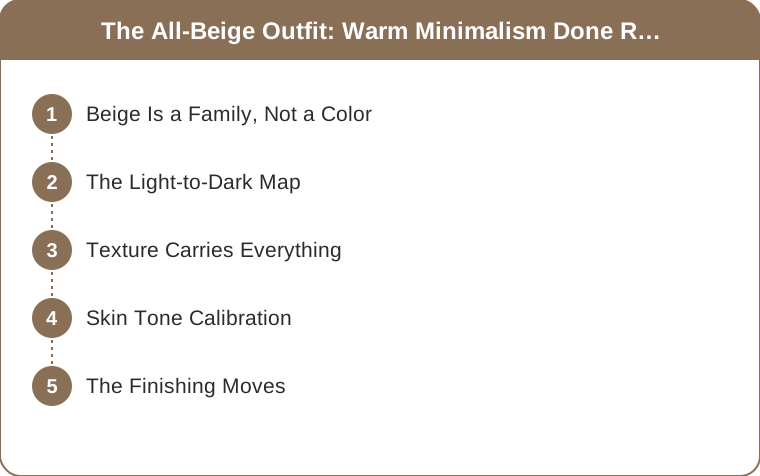
At a glance

Why Do Some Beige Outfits Look Expensive and Others Look Flat?

Because beige isn’t a color — it’s a family, and the flat outfits are only using one member.

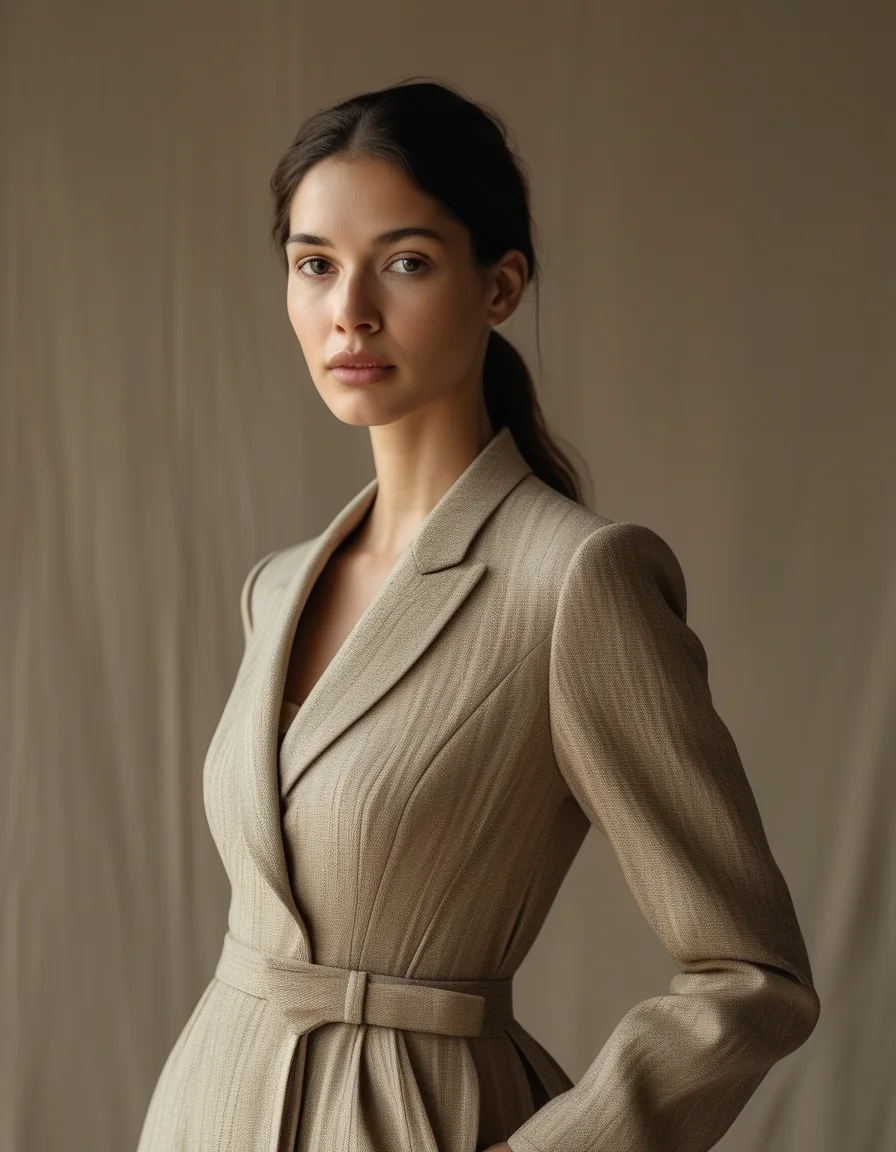
Sand. Camel. Oat. Taupe. Mushroom. Biscuit. Greige. Ecru. Bone. These are meaningfully different from each other in warmth, depth, and how much grey sits in them. Great beige outfits combine three or more relatives; the tonal variation is where all the richness comes from.

One flat beige from shoulder to shoe is a uniform. Five beiges in conversation with each other is a look.

This is the single highest-leverage fix. If your all-beige outfit isn’t working, count how many distinct shades are in it. If the answer is one or two, that’s your problem, and adding a third from a different corner of the family usually solves it outright.

How Should You Arrange the Shades?

Think of it as a gradient with intent.

The default: lighter beiges near your face, deeper camels and taupes below. Light near the face reflects upward and brightens; deeper tones at the bottom ground the outfit. It’s the same logic that makes a light top and dark trousers a reliable combination, just in one family.

The deliberate inversion also works: a deep camel coat over cream trousers, or a taupe knit over oat-colored wide legs. Inverting draws the eye up and reads as more fashion-forward. What doesn’t work is randomness — light, dark, light, dark scattered through the outfit reads as accidental.

Composition applies to outfits the way it applies to a photograph. Give the eye a direction to travel.

The All-Beige Outfit: Warm Minimalism Done Right

Why Does Texture Matter So Much in Monochrome?

Because when you remove color contrast, texture is the only contrast left.

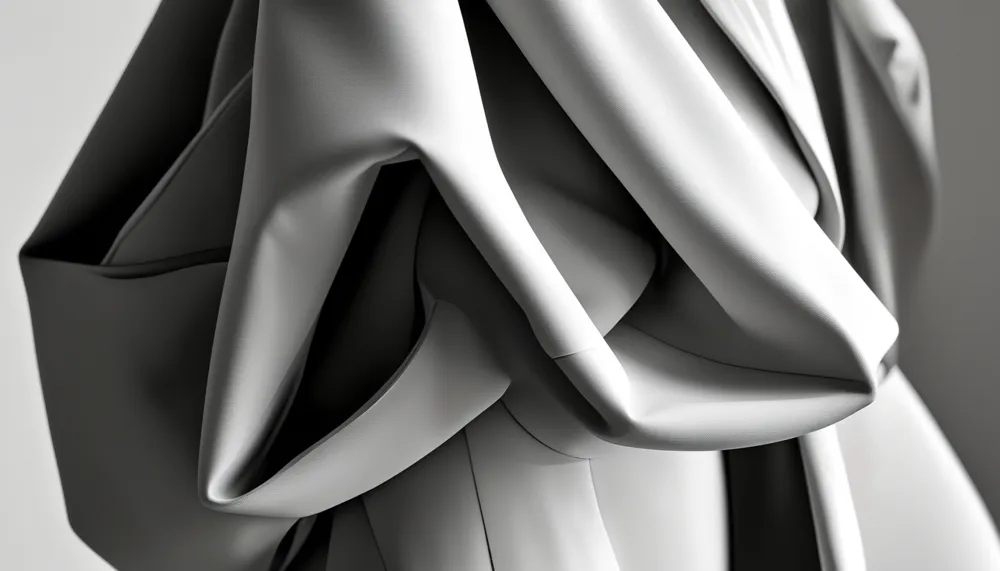
In a multi-color outfit, your eye has plenty to navigate by. In monochrome, if every surface is the same smooth cotton, there’s nothing for the eye to catch on and the whole thing flattens into a single shape. That’s the oatmeal trap.

Stack four different textures and the outfit becomes dimensional:

  • Chunky knit — visible structure, catches light unevenly
  • Smooth trouser in crepe or wool — clean, reflective, calm
  • Suede shoe or bag — matte, soft, absorbs light
  • Canvas, raffia, or leather accessory — a hard edge against the soft ones

Four textures in one color family is a considered outfit. One texture in four colors is just clothes.

The shorthand: touchable equals expensive-looking. If someone would want to run a hand across your outfit, the texture work is done.

What Nobody Tells You About Wearing Beige

Matching your skin tone is the actual mistake. Most people who say “beige washes me out” are wearing a beige within a shade or two of their own complexion, which erases the boundary between clothes and skin. Move two steps warmer or cooler and the problem disappears. Cooler complexions do best in greige, mushroom, and stone; warmer skin comes alive in camel, honey, and biscuit.

Beige shows everything. Coffee, mascara, pen, the underground. A full beige outfit is a maintenance commitment, and it’s worth owning a decent stain pen if you plan to wear one to work.

Fabric quality shows more in beige than any other color. Black hides cheap fabric; beige advertises it. A slightly shiny synthetic that passes unnoticed in navy looks obviously cheap in oat. This is why beige minimalism reads as expensive — it usually has to be.

Bottoms are the easiest entry point. If full beige feels like too much, start with beige trousers or a beige skirt and a white or cream top. Half the effect, none of the nerve.

One accent does more than three. The temptation with all-beige is to keep adding until it feels finished. Resist it — the restraint is the whole aesthetic.

What Finishes an All-Beige Outfit?

Pick one direction per outfit:

  • Gold jewelry — warms the whole palette and stays within the mood
  • White sneakers — freshens and modernizes, tips it casual
  • A black accent (belt, bag, sunglasses) — sharpens the softness, adds definition
  • A red lip — turns beige cinematic, which is a real effect and hard to explain until you see it

One direction, not four. Warm minimalism rewards a single deliberate exclamation point and punishes a paragraph of them.

For a softer everyday version, tonal athleisure works on exactly the same principles — sand-colored high waist leggings with an oat knit and a camel jacket gives you three beiges and three textures without a single tailored piece.

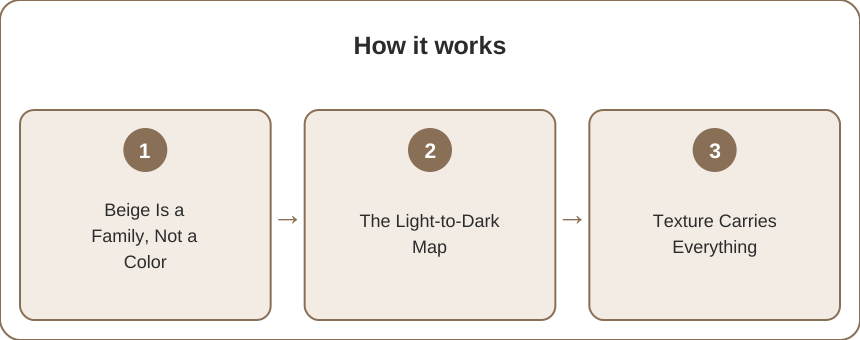
How it works

Frequently Asked Questions

Can you wear all beige if you have very fair skin?

Yes, but choose beiges with more depth or more grey in them — taupe, mushroom, greige, and deeper camel — rather than cream and bone, which sit too close to fair skin and flatten the whole look. Adding a dark accent near the face, like black sunglasses or a deep lip, restores the contrast that fair skin loses in a light palette.

What’s the difference between beige, taupe, and greige?

Beige is the broad warm neutral family. Taupe is beige with grey and often a hint of purple, making it cooler and moodier. Greige sits between grey and beige with roughly equal parts of each, reading as the most modern and least “safe” of the three. Combining all three in one outfit is a fast route to the tonal richness this look depends on.

Does all-beige work in winter?

Extremely well — arguably better than summer. Winter fabrics like wool, cashmere, shearling, and boucle bring exactly the textural depth beige needs, and a full camel and cream outfit against grey weather has enormous impact. The one adjustment: lean toward the deeper end of the family so the outfit doesn’t read as summer-weight.


TL;DR:

  • Beige is a family — use three or more shades (sand, camel, oat, taupe, mushroom) in one outfit
  • Map the gradient: lighter near your face, deeper below, or invert it deliberately
  • Texture is the only contrast monochrome has. Stack four: knit, smooth, suede, canvas
  • Choose beiges that contrast slightly with your skin — matching it is what washes people out
  • Beige advertises cheap fabric where black hides it; quality matters more here
  • Finish with exactly one accent: gold jewelry, white sneakers, a black edge, or a red lip

Do the technique and beige stops being safe — it becomes the quietest flex in the room.

Keep Reading

This article is for general styling and informational purposes only. Trends, sizing, availability and pricing may vary by brand and season.

beigemonochromeminimalism

← All articles